
Property
Sectors
Expertise
Type
Order

Trust vs Company – What’s best for commercial property investment
When considering commercial property investment, investors often ask what’s the difference between owning property through a Trust, as opposed to a company? And what are the tax implications for both? Commercial Property Investment Through a Trust Let’s start with Trusts. By putting your assets into a Trust, you don’t own them in your name. The...

Top 5 Mistakes Made when Buying a Business
Buying a business can be an exciting opportunity – the chance to be your own boss, do work you enjoy and build something successful. However, buying an established business also involves financial, commercial and legal risks. Failing to properly investigate what you are purchasing can create problems long after the transaction is complete. If you...

Non-disclosure and Misrepresentation – Obligations for Sellers
When selling property in Queensland, there are several legal obligations you must abide by. And for buyers, it’s important to know what you’re entitled to from the seller, and to know the difference between non-disclosure and misrepresentation. Non-disclosure is when a seller fails to give important information that could influence someone’s decision to...

Buying Off-Market – Risks and due diligence
Off-market property acquisitions in Queensland can indeed offer benefits such as privacy and reduced competition. However, they also come with significant risks that buyers should carefully consider. In August 2025, the Queensland Government introduced a mandatory seller disclosure scheme under the Property Law Act 2023. This scheme applies to both on-market and off-market property...

The do’s and don’ts of commercial lease agreements
Commercial leases contain important terms that define the rights and responsibilities of both landlords and tenants. Understanding clauses such as subletting, rent review and break clauses can help businesses avoid disputes and manage lease obligations more effectively. When negotiating a commercial lease, it is important to understand the essential terms that should appear in the...

Buying Australian property and business from overseas
Australia has strict rules and regulations about foreign investment. The Australian government classifies you as a foreign person if you intend to buy residential or commercial property in this country if you are not: A citizen of Australia A permanent resident of Australia A New Zealand citizen with a special category visa A permanent resident...

Why AI-Generated Contracts Are Risky for Australian Businesses
Why Australian Businesses Should Avoid AI-Generated Contracts Australian businesses are increasingly turning to artificial intelligence tools like ChatGPT to draft contracts quickly and cost-effectively. While AI can produce a polished agreement in seconds, the convenience comes with significant risks. Legal professionals across Australia warn that these tools often fail to deliver enforceable, compliant, or even...

Gasworks Case Study – Sunset Clause
In a recent decision bound to have widespread ramifications, a developer has been found to have given a notice of contract termination which was “unlawful, invalid and of no effect”. During the case (JYP Jiang Pty Ltd V CAV Gasworks Pty Ltd [2025] QSC 134), the court found the developer had wrongfully terminated an...

Why hiring a commercial leasing lawyer is what every business needs
Entering a commercial lease agreement is quite a big step for anyone, especially those who have no experience with the complexities of a commercial lease and negotiating their terms. whether you’re opening a restaurant, a car wash, or an office, you need to understand everything there is to know about a commercial lease. This is...

Building allowance – what is it and how does it work?
The building allowance is a deduction that allows property investors to offset construction costs of their investment property against their tax assessable income. The deduction is available for: buildings or extensions, alterations, or improvements to a building alterations and improvements to a leased building, including shop fit outs and leasehold improvements structural improvements such as...
Sun Sets on Sunset Clauses
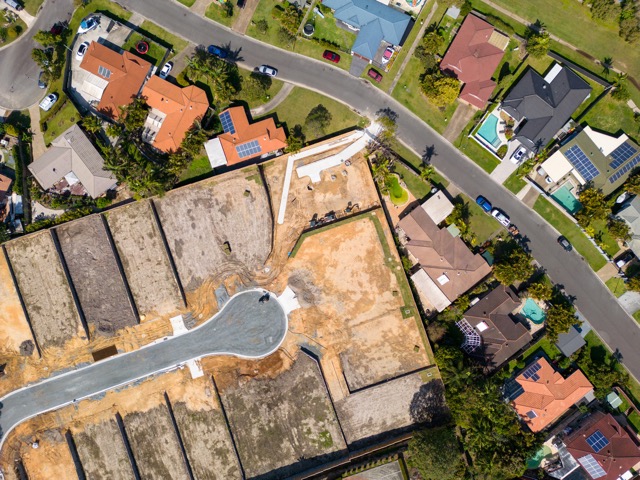
The Queensland State Government has brought in changes to strengthen protection for buyers involved in “off-the-plan” property contracts. Off-the-plan land contracts often include a clause that allows for the contract to be terminated if a certain event does not happen by the “sunset date”, known generally in the industry as a sunset clause. Previously, a...

Changes to the Foreign Resident Capital Gains Withholding (FRCGW)...
From 1 January 2025, the Australian Government introduced significant updates to the Foreign Resident Capital Gains Withholding (FRCGW) regime. These changes to FRCGW aim to enhance the Australian Taxation Office’s (ATO) ability to collect Capital Gains Tax (CGT) liabilities from foreign residents selling Australian property. These updates will impact both sellers and buyers, making it...